
 Home
Home  Booking
 Chat Now
  Call Us
 Blog
Smarter Diabetes Care
Better Living

What Should People With Diabetes Know About the Latest Advances in Treatment and Care?
 Medically reviewed by: Dr. Tom Babu, Consultant Diabetologist & Endocrinologist - Written by Riya Yacob - Updated on 28/8/2026
Diabetic patients now have access to new diabetes treatments that go well beyond daily injections and finger-prick tests. Weekly insulin doses, oral GLP-1 medicines, smarter continuous glucose monitors and closed-loop insulin pumps are changing daily management. At Silverline Hospital, we combine these options with personalised lifestyle guidance so that blood sugar control feels less like a chore and more like a routine that fits real life.
Key Takeaways
- Once-weekly insulin injections are replacing some daily doses for type 2 diabetes.
- Oral GLP-1 medicines give an alternative to injectable drugs for many patients.
- Continuous glucose monitors and automated insulin pumps reduce guesswork in daily care.
- New diabetes medications increasingly target weight and heart health, not just blood sugar.
- Global diabetes cases are rising sharply, making early and consistent care.
Older vs Newer Diabetes Treatment Approaches
| Aspect | Traditional Approach | Latest Advances in Diabetes Treatment |
| Insulin dosing | Daily injections | Weekly long-acting insulin options |
| Blood sugar checks | Finger-prick testing | Continuous glucose monitors with alerts |
| Medication form | Mostly injectable | Oral GLP-1 pills now available |
| Focus of treatment | Blood sugar levels only | Blood sugar, weight and heart health together |
| Monitoring support | Manual logging | App-based tracking with automated insulin delivery |
Diabetes care has moved a fair distance from where it stood even five years back. If you were diagnosed a decade ago, the tools your doctor is using with you today probably look quite different. This piece walks through the new diabetes treatments available right now, why they matter, and how they fit into everyday life. If you or a family member is managing this condition and wants a clearer picture of your options, our team at Silverline Hospital can explain what applies to your specific situation. The sections below cover medication, technology and the practical side of living with diabetes day to day.
Why This Matters Right Now
Diabetes is not a small or shrinking problem. According to the International Diabetes Federation's 2025 Atlas, roughly 589 million adults worldwide were living with diabetes, and that number is projected to climb to around 852.5 million by 2050. A good share of people with the condition remain undiagnosed for years, which means complications often develop quietly before anyone notices. That is exactly why keeping pace with advances in diabetes treatment is not just a medical talking point. It affects how early someone gets diagnosed, how well they manage the condition, and how many complications they avoid down the line.
New Diabetes Medications Worth Knowing About
Weekly Insulin Options
For years, insulin meant a daily needle, sometimes more than once a day. That has started to change. Long-acting insulins designed for once-weekly injection are now approved or close to approval in several countries, cutting the number of jabs from around 365 a year to about 52. Trials comparing these weekly formulations against daily basal insulin have shown similar blood sugar control, which is a meaningful shift for anyone who finds daily injections tiring or hard to keep up with.
Oral GLP-1 Medicines
GLP-1 receptor agonists have been available as injectables for a while, helping with both blood sugar and weight. What is newer is the oral version, a pill that works through the same pathway. This gives people who are uneasy about needles a route into a treatment class that has shown real benefit for glucose control and weight management. It will not suit everyone, but it widens the field of new treatments for diabetes considerably.
Multi-Action Drugs for Blood Sugar, Weight and Heart Health
Some of the newest diabetes drugs are built to do more than one job. Compounds combining GLP-1 with other hormone pathways, such as GIP, are showing reductions in blood sugar alongside noticeable weight loss and, in several studies, lower cardiovascular risk. This multi-target approach reflects a broader shift in how doctors think about diabetes, treating it as connected to weight and heart health rather than an isolated blood sugar issue.
Innovative Diabetes Treatments in Monitoring and Technology
- Continuous Glucose Monitors
Finger-prick testing used to be the only way to check blood sugar through the day. Continuous glucose monitors, small sensors worn on the skin, now track glucose levels around the clock and send alerts when levels drift too high or low. For many patients, this alone has reduced the number of dangerous lows they experience.
- Closed-Loop Insulin Pumps
Automated insulin delivery systems, sometimes called closed-loop or "artificial pancreas" systems, link a glucose sensor to an insulin pump and adjust doses automatically. These systems are becoming more common for people with type 1 diabetes, and newer algorithms are making the adjustments smoother and more accurate than earlier versions.
- Type 1 Diabetes
Type 1 diabetes research has also moved forward. Immune-modulating therapies such as teplizumab are being used in specific eligible patients to delay the loss of remaining insulin production. These treatments do not cure type 1 diabetes or replace the need for insulin therapy.
- What This Means for Daily Life?
None of these tools replace the basics. Eating patterns, activity levels and regular check-ups still carry real weight in managing diabetes well. What the latest diabetes treatments do is reduce the daily burden of managing the condition, giving people more room to live normally while still keeping their numbers in a safe range.
- Fewer injections mean less disruption to daily routines.
- Automated monitoring catches problems before they become emergencies.
- Weight and heart benefits from newer drugs address risks that used to be treated separately.
- Personalised treatment plans are becoming more practical to design and follow.
At Silverline Hospital, our diabetes care team reviews each patient's history, lifestyle and preferences before recommending any of these options. We do not believe one plan fits every patient, and we adjust care as new evidence and new drugs become available.
Conclusion
Diabetes care in 2026 looks noticeably different from what it did even a few years ago. Weekly insulin, oral GLP-1 medicines, continuous monitoring and automated pumps are giving patients more control with less daily disruption. None of these tools work in isolation, and none of them remove the need for regular medical guidance. What they do offer is a wider set of choices, and for many people, that makes managing diabetes genuinely easier to live with.
If you would like to understand which of these new diabetes treatments could work for you or a family member, our specialists at Silverline Hospital are ready to talk it through. Book a consultation with our diabetes care team and get a treatment plan built around your own health, not a generic checklist.
Frequently Asked Questions (FAQs)
Q1: What are the newest diabetes medications available right now?
A1: The newest options include once-weekly insulin injections, oral GLP-1 pills, and combination drugs that target blood sugar, weight and cardiovascular risk together. Availability depends on your country and your specific health profile, so a consultation is the best way to know what applies to you.
Q2: Can new treatments for diabetes cure the condition?
A2: No. Current advances manage diabetes more effectively and, in some type 1 cases, delay full insulin dependence, but they do not cure it. Diabetes still needs ongoing monitoring and lifestyle attention alongside any medication.
Q3: Are continuous glucose monitors suitable for everyone with diabetes? A3: They are widely used for both type 1 and type 2 diabetes, particularly for people on insulin or those who experience unpredictable blood sugar swings. Your doctor can confirm whether one is a good fit based on your treatment plan and daily routine.
Q4: How do I know which advances in diabetes treatment are right for me? A4: This depends on your diabetes type, how long you have had it, other health conditions, and personal preferences around injections versus pills. A one-to-one review with an endocrinologist or diabetes specialist is the most reliable way to decide.
Q5: Are these innovative diabetes treatments expensive?
A5: Costs vary widely by medication, country and insurance coverage. Newer drugs and devices are usually pricier than older generic options, though prices are gradually becoming more accessible as more products enter the market.
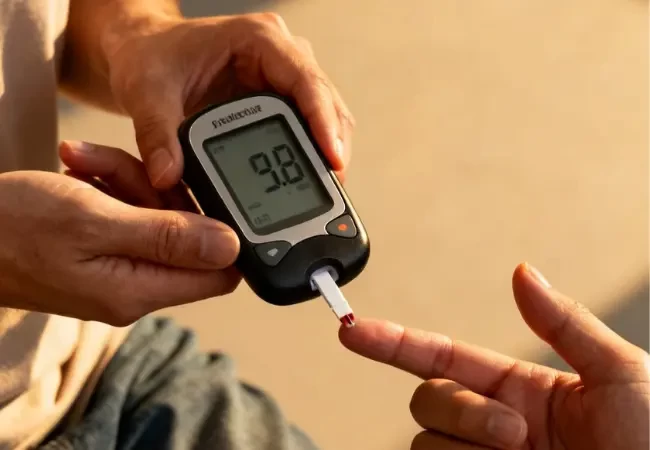
More Blogs
-

Don't Ignore the Tingling: Understanding Diabetes-Related Nerve Problems
Discover the signs of diabetic nerve damage, including tingling, numbness and burning feet. Learn about diagnosis, treatment and nerve care.
-

Can Hypothyroidism Cause Constipation? What You Need to Know
Learn how hypothyroidism causes constipation, which thyroid tests help diagnose it, and how treatment, fibre, hydration and lifestyle changes can help.
-
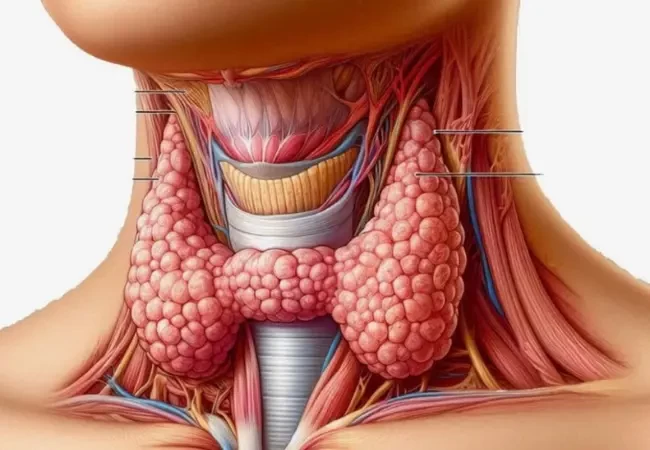
Hypothyroidism Symptoms: Is Constant Fatigue a Sign of Thyroid Problems?
Discover common hypothyroidism symptoms and learn when constant fatigue may be a sign of thyroid problems.
-
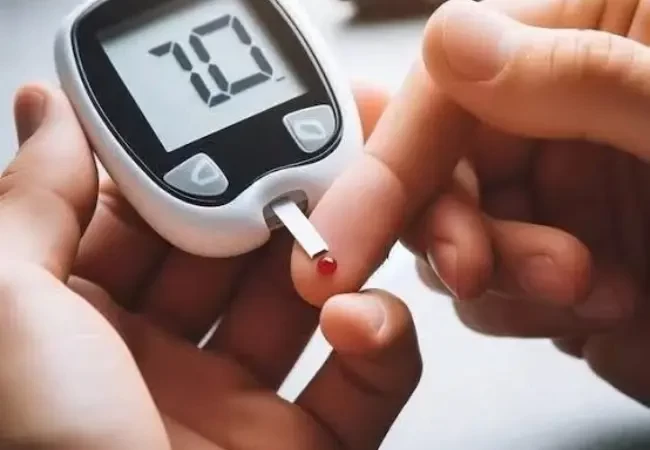
Recognizing Diabetes Symptoms: Early Signs and When to Get Tested
Learn about diabetes symptoms, early warning signs, common risk factors, and when to get tested. Understand what changes to watch for and why early testing can help with timely diagnosis and care.
-

Don't Ignore Hair Loss: Hormonal Changes and Thyroid Problems Could Be the Cause
Learn how hormonal changes and thyroid problems can cause hair loss, the signs to watch for, and when to seek medical evaluation.



Are You at Risk of Diabetes? Find Out Instantly
Early detection can make all the difference
Check My Risk Now!