
 Home
Home  Booking
 Chat Now
  Call Us
 Blog
Thyroid care
made simple.

Can Thyroid Problems Be Cured Permanently? Understanding Medication and Care
 Medically reviewed by: Dr. Tom Babu, Consultant Diabetologist & Endocrinologist - Written by Riya Yacob - Updated on 24/6/2026
With the right care, the thyroid condition can be controlled well enough that it barely interferes with daily life. Whether things settle permanently or need ongoing management comes down to the type of problem, what is driving it, and how early someone gets proper attention.
That is a more honest answer than most people expect. But it is the one worth hearing.
Why So Many People Are Affected
Thyroid regulates how your body uses energy, how fast your heart beats, how warm you feel, and even how your mood shifts. When this gland starts working too hard or not hard enough, the whole body feels it.
Hypothyroidism alone is thought to affect around 11% of the Indian population, and it disproportionately affects women. In fact, research shows nearly 16% of women in the study population had hypothyroidism, compared to just over 5% of men.
A lot of these cases go undetected for years. Fatigue, weight gain, brain fog, feeling cold when others are comfortable, these get written off as stress or ageing. Getting tested early changes the picture significantly.
Does Permanent Cure Apply to Thyroid Disorder Treatment?
Not always, and it depends entirely on the type. The word cure implies the problem goes away and stays away without any further intervention. That happens in some situations. In many others, the goal is stable, long-term control, which still allows people to feel completely well and function normally.
Here is what thyroid disorder treatment looks like across the main types.
Hypothyroidism
When the gland is not producing enough hormone, the body starts slowing down. Energy drops, weight creeps up, hair may thin, and concentration suffers. The most common underlying cause in India is Hashimoto's thyroiditis, where the immune system gradually damages thyroid tissue over time.
Hypothyroidism treatment generally includes:
● It is recommended that you take a synthetic hormone tablet called levothyroxine everyday first thing in the morning
● Periodic blood tests to check hormone levels and ensure the dose is right
● Ongoing adjustments as the body changes over the years
For the majority of people, this continues indefinitely. The tablet does what the thyroid gland no longer can. On the right dose, most people feel entirely normal. It is not a cure in the strict sense, but it is considered to be an effective thyroid disorder management that keeps life on track.
That said, some cases do resolve. Temporary hypothyroidism triggered by pregnancy, certain infections, or specific medications may clear up once the underlying cause is addressed, and medication can sometimes be stopped after reassessment.
Hyperthyroidism
Here the gland is churning out more hormone than the body needs. The heart races, sleep suffers, weight drops without trying, and anxiety spikes. Graves' disease is the most frequent reason this happens.
Hyperthyroidism treatment involves a few different ways depending on the case:
● Antithyroid medications such as carbimazole, which slow down hormone production
● Radioactive iodine, which reduces or destroys the overactive tissue
● Surgery to remove part or all of the thyroid gland
Of these, antithyroid medications offer the most realistic chance of a lasting remission. Some patients who complete a full treatment course, usually 12 to 18 months, find the condition does not return.
Radioactive iodine and surgery are more definitive but often result in an underactive thyroid afterwards. So the patient moves from one condition to another and usually needs lifelong hormone replacement from that point on.
Thyroid Nodules and Cancer
Many nodules cause no symptoms and just need watching. Some need to come out. Thyroid cancer, when found early, responds well to treatment, usually surgery followed by radioactive iodine in some cases. Long-term hypothyroidism treatment with hormone medication often continues afterwards to suppress any remaining abnormal tissue.
Thyroid Treatment Options
Medication is the backbone of care, but the day-to-day choices people make matter too. The truth is that none of these things are a substitute for medical treatment, even if they make a good difference to someone's well-being.
● Taking levothyroxine at the same time each day, on an empty stomach, helps the body absorb it consistently
● Iron tablets and calcium supplements can reduce how well the thyroid medication works if taken too close together
● A balanced diet supports general hormone health, though no specific food acts as treatment
● Sleep and stress levels have a meaningful knock-on effect on hormonal balance, even if the relationship is indirect
● Skipping follow-up blood test is one of the more common mistakes, never miss it since thyroid levels shift over time without any warning symptoms
These are not dramatic lifestyle changes. They are small, practical habits that support whatever treatment plan a doctor has put in place.
When a Full Recovery Is Actually Possible
There are real situations where thyroid function returns to normal without ongoing treatment.
Postpartum thyroiditis affects some women after giving birth. The thyroid swings between overactive and underactive, then usually settles back to normal within a year. Most women do not need permanent medication.
Subacute thyroiditis, which often follows a viral illness, causes temporary inflammation that disrupts hormone output. Once the inflammation resolves, the thyroid usually returns to working normally on its own.
Medication-related thyroid changes sometimes occur as a side effect of certain drugs. When those drugs are stopped, function often normalises.
A subset of hyperthyroid patients treated with antithyroid medication do achieve genuine, long-term remission. It does not happen for everyone, but it is not uncommon either.
So permanent resolution is possible. It is just not guaranteed, and it depends on the specific diagnosis.
Related Blog:
Why Thyroid Disorders Are More Common in Women: Causes, Hormones, and Health Impacts ExplainedConclusion
A lot of people spend years with undiagnosed thyroid issues. Symptoms like tiredness, weight changes, or low mood are too easily explained away. A blood test measuring TSH levels, sometimes alongside T3 and T4, gives a clear picture quite quickly. If thyroid disease runs in the family, checking regularly makes sense even without obvious symptoms.
Early diagnosis means earlier access to the right thyroid treatment options and better long-term outcomes.
Frequently Asked Questions
Q1: If I start thyroid medication, will I have to take it forever? A1: For many people with hypothyroidism caused by an autoimmune condition,
yes, long-term medication is likely needed. The thyroid tissue in this case does not recover, so the medication provides what the body is missing. However, not everyone's situation is the same. Some thyroid conditions are temporary, and your doctor will check periodically to see whether the medication is still necessary. The key is not to stop taking it without medical guidance, since symptoms can return quickly and sometimes without obvious warning.
Q2: Is there a better chance of permanent recovery with hyperthyroidism than hypothyroidism?
A2: In certain cases, yes. Some people with hyperthyroidism who complete a course of antithyroid medication go into sustained remission, meaning the condition stays stable without continuing treatment. Whether that happens depends on factors like what is causing the overactivity, how severe it was, and how the individual responds. Your treating doctor is best placed to give a realistic picture for your specific situation, since this is genuinely variable from person to person.
Q3: Can eating certain foods or changing your diet fix a thyroid problem?
A3: Diet alone cannot treat a thyroid condition. There are foods and nutrients that support thyroid health, iodine being the most well-known, but none of them can replace medication when it has been prescribed. Some foods, particularly large amounts of raw cruciferous vegetables in people who are iodine-deficient, may affect thyroid function slightly, but this is rarely a concern in the context of a generally balanced diet. Think of good nutrition as something that supports your treatment, not something that substitutes for it.
More Blogs
-

Don't Ignore the Tingling: Understanding Diabetes-Related Nerve Problems
Discover the signs of diabetic nerve damage, including tingling, numbness and burning feet. Learn about diagnosis, treatment and nerve care.
-
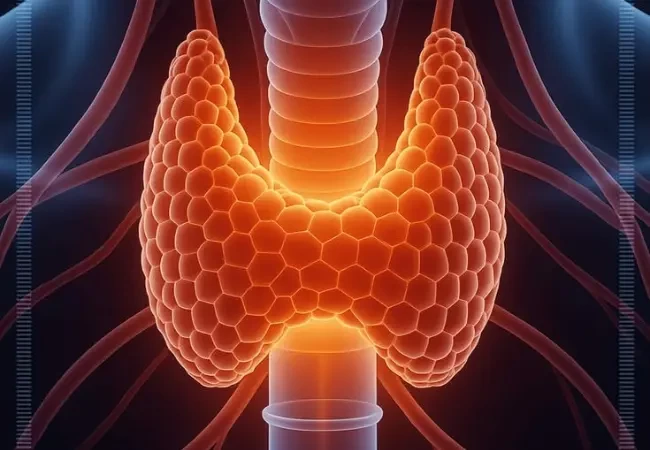
Can Hypothyroidism Cause Constipation? What You Need to Know
Learn how hypothyroidism causes constipation, which thyroid tests help diagnose it, and how treatment, fibre, hydration and lifestyle changes can help.
-
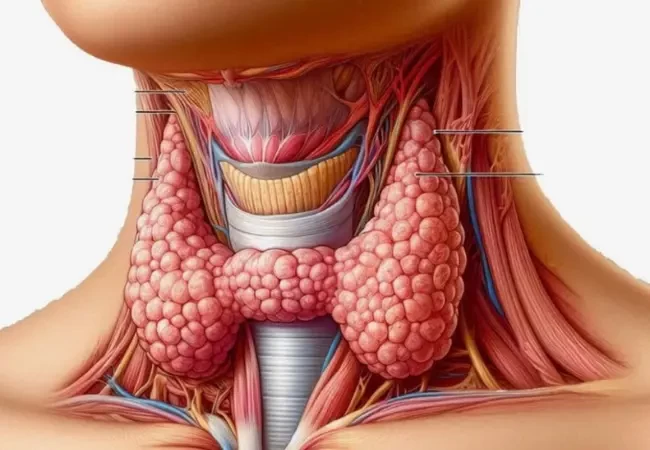
Hypothyroidism Symptoms: Is Constant Fatigue a Sign of Thyroid Problems?
Discover common hypothyroidism symptoms and learn when constant fatigue may be a sign of thyroid problems.
-
Recognizing Diabetes Symptoms: Early Signs and When to Get Tested
Learn about diabetes symptoms, early warning signs, common risk factors, and when to get tested. Understand what changes to watch for and why early testing can help with timely diagnosis and care.
-

Don't Ignore Hair Loss: Hormonal Changes and Thyroid Problems Could Be the Cause
Learn how hormonal changes and thyroid problems can cause hair loss, the signs to watch for, and when to seek medical evaluation.



Are You at Risk of Diabetes? Find Out Instantly
Early detection can make all the difference
Check My Risk Now!