
 Home
Home  Booking
 Chat Now
  Call Us
 Blog
Women & Thyroid Care

Why Thyroid Disorders Are More Common in Women: Causes, Hormones, and Health Impacts Explained
Thyroid disorders in women occur more often because of the specific way female reproductive hormones, like estrogen, interact with the thyroid gland. This biological connection makes women more likely to have autoimmune responses and also fluctuations in hormone production, usually during puberty, pregnancy, and menopause.
Thyroid problems can affect anyone, but they are more commonly seen in women and are also frequently associated with obesity, diabetes, hormonal imbalance, lifestyle-related health conditions, etc. Early diagnosis and proper thyroid treatment can help manage symptoms and also improve overall health.
How Estrogen Affects the Thyroid
There is a strong link between hormonal imbalance, thyroid health, and also the rise and fall of estrogen levels during different life stages. High estrogen levels can increase the amount of thyroid-binding globulin, a protein that carries thyroid hormones in the blood. When this protein is high, it can change the amount of active thyroid hormone available to the body. And this is one reason why puberty or starting birth control can sometimes trigger or reveal an underlying thyroid issue.
The Role of Autoimmunity
Women usually have more active immune systems, and while this helps in fighting infections, it also makes them more prone to autoimmune diseases as well. Conditions like Hashimoto’s disease or Graves’ disease happen when the immune system attacks the thyroid gland. Because these are the leading causes of thyroid disorders in women, it explains why the gender gap is so wide in this area of medicine.
Common Causes of Thyroid Disorders in Women
Several factors contribute to a higher risk of developing thyroid issues. While hormones play a massive part, other elements like your DNA and the medications you take also matter.
Genetics & Family History
As you might know, the risk of thyroid problems increases for those women with a family history, so regular screenings are very important for them. There is a higher chance of you developing a thyroid condition if your mother or sister does have thyroid condition. This genetic predisposition means the thyroid might be naturally more sensitive to environmental triggers or even dietary changes.
Impact of Medications
Some drugs can interfere with how the thyroid works and, Amiodarone, which is a medicine used to treat heart rhythm conditions, contains a high amount of iodine. This can either cause the thyroid to become overactive or underactive depending on the person. We advise patients on such medications to have their thyroid levels checked regularly to avoid complications.
Modern Medical Treatments
There has been a recent increase in the use of certain antibodies to treat various illnesses, such as cancer or chronic inflammatory conditions. And this shift in medical practice has been linked to a rise in hypothyroidism in women, and these advanced therapies can sometimes inadvertently cause the immune system to target the thyroid gland, leading to a drop in hormone production.
The Link Between Weight, Diabetes, and Thyroid Health
Individuals who are overweight or have diabetes are at a higher risk of developing thyroid-related issues compared to the general population. This is because the metabolic processes of the body are all interconnected.
Thyroid and Metabolism
The thyroid gland acts as the thermostat of the body, and it controls how fast you burn calories and how your heart beats. When the thyroid slows down, your metabolism follows suit. This makes weight management very difficult. Conversely, being overweight can cause low-grade inflammation in the body, which might further stress the thyroid gland.
Diabetes Connection
For those living with diabetes, thyroid screening is a vital part of health management. Type 1 diabetes is an autoimmune condition, and people with one autoimmune disease are much more likely to develop another, like Hashimoto’s. Even in Type 2 diabetes, the way the body uses insulin can be affected by thyroid hormone levels. We monitor these levels closely in our diabetic patients to ensure their treatment plans remain effective.
Recognising Thyroid Symptoms in Women
The signs of a thyroid problem can be subtle, and they are often mistaken for stress, ageing, or the effects of a busy lifestyle. However, paying attention to specific thyroid symptoms in women can lead to an earlier diagnosis as well.
- Changes in Menstrual Cycles
- Persistent Fatigue
- Temperature Sensitivity
- Mood Shifts
- Physical Changes
Prioritising Women’s Thyroid Health
Maintaining women’s thyroid health requires a combination of medical awareness and lifestyle choices. Eating a balanced diet that includes the right amount of iodine and selenium is helpful. However, the most effective tool is regular testing.
A simple blood test known as the TSH (Thyroid Stimulating Hormone) test can tell us a lot about how your gland is performing. If you are planning a pregnancy, it is especially important to check these levels, as the thyroid gland is important for the development of the baby during the first trimester.
Related Blog:
Why Thyroid Disorders Are More Common in Women: Causes, Hormones, and Health Impacts ExplainedConclusion
Understanding thyroid disorders in women is essential because of how deeply these conditions affect daily life and long term wellness. And from the influence of estrogen to the impact of genetics and modern medications, women face a unique set of risks. We believe that by staying informed about thyroid and seeking regular check-ups, every woman can manage her health very effectively.
To learn more about our thyroid treatment options, get in touch with Silverline Hospital.
Frequently Asked Questions (FAQs)
Why are women more likely to have thyroid problems than men?
Women are more likely to have thyroid problems because their immune systems react differently to hormonal shifts during life stages like pregnancy and also menopause. Estrogen specifically interacts with thyroid proteins, and this can make the gland more sensitive to changes as well as autoimmune attacks.
Can a thyroid problem make it harder to get pregnant?
Yes, a thyroid problem can make it very hard to get pregnant, as an underactive or overactive thyroid can interfere with ovulation. And when thyroid hormones are out of balance, it can disturb the regular release of eggs from the ovaries, and a combination of these factors can lead to difficulty in conceiving and an increased risk of miscarriage in early pregnancy also.
Is weight gain always a sign of a thyroid issue?
There is no doubt that weight gain is one of the most common symptoms of hypothyroidism, but it is not the only one. Many factors, like diet, activity levels, and other metabolic conditions, contribute to weight changes. However, if weight gain happens quickly and is also accompanied by extreme tiredness or feeling cold, a thyroid check is an important step.
.png)
More Blogs
-

Don't Ignore the Tingling: Understanding Diabetes-Related Nerve Problems
Discover the signs of diabetic nerve damage, including tingling, numbness and burning feet. Learn about diagnosis, treatment and nerve care.
-

Can Hypothyroidism Cause Constipation? What You Need to Know
Learn how hypothyroidism causes constipation, which thyroid tests help diagnose it, and how treatment, fibre, hydration and lifestyle changes can help.
-
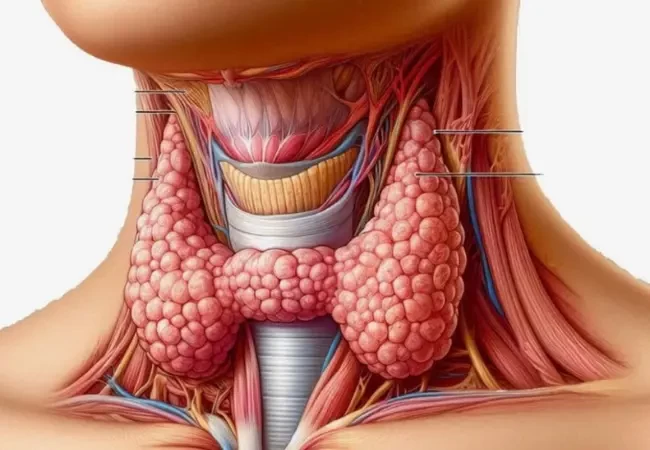
Hypothyroidism Symptoms: Is Constant Fatigue a Sign of Thyroid Problems?
Discover common hypothyroidism symptoms and learn when constant fatigue may be a sign of thyroid problems.
-
Recognizing Diabetes Symptoms: Early Signs and When to Get Tested
Learn about diabetes symptoms, early warning signs, common risk factors, and when to get tested. Understand what changes to watch for and why early testing can help with timely diagnosis and care.
-

Don't Ignore Hair Loss: Hormonal Changes and Thyroid Problems Could Be the Cause
Learn how hormonal changes and thyroid problems can cause hair loss, the signs to watch for, and when to seek medical evaluation.



Are You at Risk of Diabetes? Find Out Instantly
Early detection can make all the difference
Check My Risk Now!